Table Of Content
- You OD on dry shampoo.
- How to choose shampoos and conditioners
- Beyoncé shows fans her long natural hair and reveals wash day routine using Cécred products
- Use the right shampoo for you.
- l'oreal Elvive Extraordinary Clay Re-Balancing Shampoo
- Selenium Sulfide Shampoo: What You Should Know About This Flake-Fighting Product
- So, what are the correct hair washing steps to follow?

For example, a smoothing shampoo might come in handy during humid summer months, while a volumizing shampoo is probably better for the drier winter season. To reduce buildup, Wintner recommends switching off between a clarifying shampoo and moisturizing shampoo. Aveeno's Apple Cider Vinegar Blend, is one great drugstore shampoo option.
You OD on dry shampoo.
It's one of those time-consuming tasks that, much like cleaning your makeup brushes, feels more like a chore than "self-care". For example, if you have curly hair, Wiley says you might want to opt for a more nourishing and strengthening shampoo and conditioner or even a deep conditioner. If your hair is straight and you use styling products on it regularly, using a clarifying shampoo that removes buildup, therefore adding volume to limp ends, may work best for you. Normal to dry hair types as well as wavy hair may be able to go 2 to 3 days between shampoo sessions. You may also consider going as long as you can if you dye or chemically treat your hair.

How to choose shampoos and conditioners
For those with conditions like dandruff, a different approach to hair hygiene may be needed. One of the most frequently asked questions for hairdressers is 'how much shampoo should I use? ', and according to both Timperley and Miranda, this is really important.
How to Clean Hairbrushes to Remove Lint and Buildup - Better Homes & Gardens
How to Clean Hairbrushes to Remove Lint and Buildup.
Posted: Fri, 01 Dec 2023 08:00:00 GMT [source]
Beyoncé shows fans her long natural hair and reveals wash day routine using Cécred products
Always wash your hair in the shower as this allows for suds and dirt to rinse away down the length of your hair. It also means conditioner won't end up in your roots and cause them to become oily. The biggest mistake Wiley sees is people applying conditioner to the scalp, especially for medium and fine hair types.
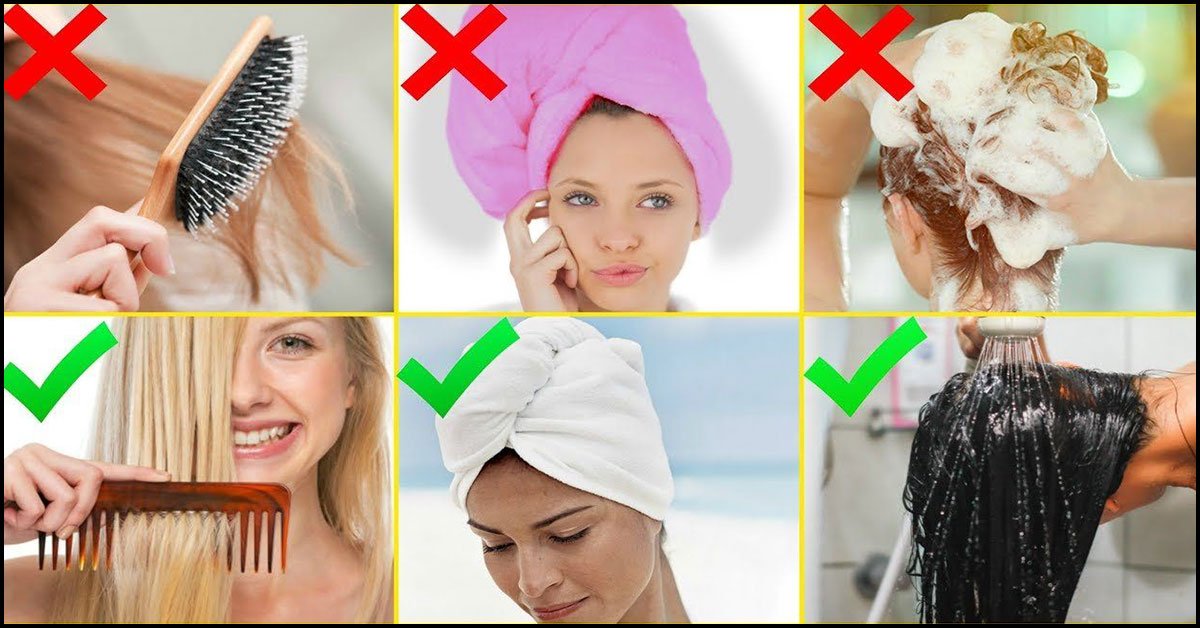
Use the right shampoo for you.
Pick one that keeps your hair hydrated but effectively cleanses your roots. Not properly rinsing the shampoo and conditioner out of your hair can lead to a whole host of issues, such as scalp buildup, greasy roots, dry hair, and dullness. According to Miranda, your entire hairwash routine should last between ten and twenty minutes, and half of that should be spent rinsing.
You don't need to wash your hair with shampoo immediately after a workout. "After doing hair for 15 years, I find most people still have a hard time with this very fundamental task," said hairstylist Neil Grupp, who has worked with supermodel Bella Hadid. This gentle-scented mask is free of phthalates, parabens, silicones, gluten, and dyes, so it's perfect for delicate and natural hair.
l'oreal Elvive Extraordinary Clay Re-Balancing Shampoo
Sure, maybe you did a little research when picking your shampoo and conditioner. But you probably didn’t spend a lot of time wondering if you’re actually washing your hair correctly. There’s nothing quite like the luxurious feeling of stepping out of the shower with soft, freshly-washed hair. Washing your hair seems simple enough—just lather and rinse—but there’s actually more to it if you want to have smooth, shiny, healthy locks.
You’ve got to get the right products for your hair, plus you need to know how (and how often) to use them so you’re not inadvertently making your hair worse. Once you've got those things down, you can say hello to clean, beautiful hair. If you have hard water, though, your hair may eventually have a filmy, dry texture to it. You’ll know you have hard water if you see film buildup around your shower, sink, and faucets. People with naturally oily hair don’t necessarily have to worry about excessive moisture loss from daily shampoo sessions because the sebum (oil) in the scalp will always make up for it.
Furthermore, make sure you're taking into account the thickness of the formula and whether it's suited for your hair type. Thick, oily products, for instance, may be too greasy for thin hair or may run the risk of weighing down curls. If you have dry hair, you might want to try rinsing with cold water, because it helps hair stay stronger and healthier. Cold water doesn’t dry out the sebum layer of your hair, a naturally lubricated barrier that protects your hair and keeps it strong.
Washing your hair is probably something you don’t give much thought to. But actually, how often you wash your hair - whether it's every day, every other day or once a week, washing your hair correctly can really make a difference to the health of your hair and scalp. "A really common mistake that people make is shampooing the hair and not the scalp," says hairstylist and salon owner Melissa Timperley. "The hair technically doesn’t get that dirty, but it’s the scalp that really makes a difference." Timplerley advises massaging shampoo evenly into scalp focussing it there rather than on the lengths of your hair. "Most importantly, you should avoid rubbing the ends of your hair because that can damage the cuticle," she adds. When you have completely worked out the shampoo, add conditioner to the ends of your hair.
Apply conditioner to your hair, avoiding the roots, then rinse it out with cool water. Read on to learn how to choose the right shampoo and conditioner for your hair type. When I wash my hair, I use a quarter size amount of shampoo just on the roots, and very little on the ends. When I condition, I use a dime size amount, but only on the ends and nowhere near the root. I must scrub my hair for 1, 3, 5, 10, 15 minutes rarely, and it still ends up greasy somehow. I use aveda shampoo and conditioner, and I don't use any other products.
Look for moisturizing conditioners to help keep the ends of your hair from splitting or drying out. Another option is to use a clarifying shampoo weekly to help remove minerals and other buildup from your hair. The fewer times your hair is shampooed, the longer your color will last. If you have color-treated hair, you should use color-protecting products to reduce the amount of color loss with each wash.


No comments:
Post a Comment