Table Of Content

Oily hair types may require washing every 2 to 3 days, but dry hair may only need washing 1 to 2 times per week. Wiley also sees a lot of overuse of shampoo because it's not being emulsified prior to application. "Shampoo is meant to be worked together in your hands before applying. You will use less product, and it will work better for you," she says. "Washing your hair too frequently can strip it of natural oils, leading to dryness," he says. "On the other hand, not washing enough may result in oil and product buildup. I know a lot of people wash their hair daily, but it is not recommended."
Apply shampoo.
It's essential to use cold water to close the cuticle since hot water alone can cause frizz, added Potempa. Antoinette Bullock is a hair expert devoted to educating people about how to care for their natural hair. In addition to being a haircare expert for Sally Beauty, she is also a prolific content creator on Instagram, Tik Tok, and Youtube.
What is a Scalp Facial and How Can You Do One at Home?
According to the experts, there's no universal answer because hair-washing frequency depends on a variety of conditions, such as hair texture and lifestyle. "If you have fine, oily hair, I would suggest washing every other day. This is also the best practice for people with dandruff," says Paul Wintner, professional hairstylist and educator for Alterna Haircare. "For people with a normal-to-dry scalp, or curly/coily hair, you should stretch out your wash days to one or two times a week maximum." Regardless of hair type, try to avoid washing every day. Much like a double-cleanse for your skin (where the first cleanse removes debris and products and the second cleanse actually cleans your skin), the same practice can be applied to the hair. Double-shampooing your hair means to shampoo, rinse, then shampoo and rinse one more time before using conditioner. This is particularly beneficial when you hair is particularly greasy from a lot of product buildup, going more than a week without washing your hair, or if you're a frequent dry shampoo user.
How Often Should You Color Your Hair?
"How much you use really is dependent on the thickness and length of your hair," he reiterates. "For a fine bob you’ll use a lot less than long thick curls." If you feel like your hair needs a more thorough wash, don't be tempted to use a double dose. Instead, rinse the first shampoo out and do a second application which will cleanse and rinse thoroughly after both. This detoxifying shampoo provides an ultra-deep clean—the kind you need if you use styling products, live in an urban area, or only wash your hair once a week.

However, no matter what conditioner or treatment you use, experts agree that you need to give it time to work. Like your shampoo, your treatment of choice should also be determined by the current needs of your hair. Patterson says, "The key here is to target and customize your treatments. If you want volume at the roots, use a volume treatment there, and then use a repair or hydrating treatment through your mids and ends." Don’t leave your conditioner in for too long, though, or it might be hard to get out and leave residue behind. Depending on how thick or dense your hair is, this might take longer than you think. So let the water flow over your head for at least 1 minute, then run your fingers through your hair to make sure all of it (even the ends) are fully wet.
Know that natural washes are fine
The Optimal Way To Wash Your Hair Properly - GLAMOUR UK
The Optimal Way To Wash Your Hair Properly.
Posted: Mon, 26 Oct 2020 07:00:00 GMT [source]
Packed with argan oil, antioxidants, and fatty acids, this kind-to-hair shampoo softens, strengthens, adds moisure, and helps to combat frizz. Colour fading faster than your patience with people forgoing face masks? While it’s true the ingredient can deliver shine, if overused, it leads to build-up, leaving coloured hair lank and lifeless.
Condition and rinse again, if needed.
'This means you require different ingredients at different times to combat things like limpness, dehydration, or excess sebum (an oil produced by glands in the scalp),’ adds King. You might be used to using a good palmful of shampoo to be able to distribute it throughout all of your hair. Instead, start with a dollop the size of a nickel and go from there. You can always add more shampoo but it’s harder to rinse out if you start with too much. Below, some of the best options for post-wash styling, for every hair type and texture. If hair thinning or loss it your main concern, consider a hair growth conditioner (and a hair growth shampoo to match, while you're at it).
You're not completely wetting your hair first.
Do You Wash Your Hair Daily? Here's Why That Might Be a Bad Idea - 2EC
Do You Wash Your Hair Daily? Here's Why That Might Be a Bad Idea.
Posted: Mon, 26 Feb 2024 08:00:00 GMT [source]
You might also want to consider getting a post-wash protectant, especially if you’re prone to frizzy hair, and a detangling product if your hair is highly prone to tangling. If you don’t pick the right shampoo, you might end up doing more damage to your hair than good. Baking soda, another home remedy, is also unproven as a shampoo substitute and may actually damage your hair.
Experts Want Us to Stop Making These 5 Mistakes Every Time We Wash Our Hair
For instance, if you have dry hair, look for a moisturizing shampoo and conditioner, like TRESemmé Pro Pure Micellar Moisture Shampoo and Conditioner. This cleansing and moisturizing shampoo uses micellar water to give your scalp a deep cleanse and offers a strong dose of moisture. If your hair gets greasy so fast that you're in the habit of a daily hair wash, then it's likely that you're overwashing your hair. As a rough guide, hairstylist and Maria Nila ambassador Diego Miranda recommends washing hair every two to five days. "Of course, it will depend on your hair and scalp condition, and also the type of lifestyle you have," he adds. "For explample, if you exercise everyday you will feel the need to wash your hair more frequently as the sweat could lead to more grease." Above all Miranda emphasises that the hair and scalp shouldn’t be washed everyday.
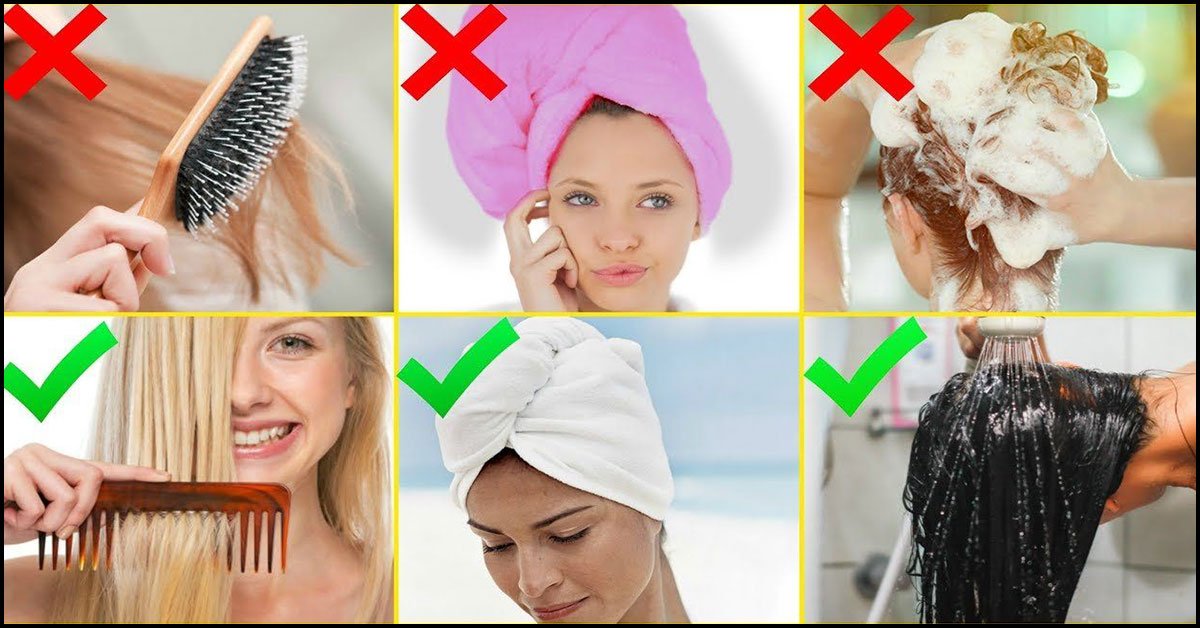
"This will avoid tugging and damaging your hair while you're detangling any knots. If you're really struggling, try using a detangling spray to loosen the hair and give it more slip." We’re not telling you that you’re doing the thing you’ve done thousands of times before wrong, just that, much like your burpee technique and your banana bread, there’s probably room for improvement. Sign up to our newsletter and get exclusive hair care tips and tricks from the experts at All Things Hair. Switching up your conditioner will make sure your hair doesn't get too used to any one product. If you have time, try combing the conditioner through the hair to prevent knots, sugggested Grupp. If you can't comb through, Grupp said that's an indicator to use more.
So, in an effort to try to streamline and condense my hairwashing routine as much as possible—and without compromising my hair and scalp health—I reached out to the professionals. If you're looking to make wash day easier (maybe, even, enjoyable?), keep scrolling to discover the five hair-washing mistakes experts want us to stop making (and learn how to wash your hair properly). Over time, hard water can dry your hair out and leave it prone to breakage. In severe cases, it can even lead to hair loss if the hard water severely irritates your scalp or if you have a skin condition, such as eczema or psoriasis. Don’t wash your hair every day, or you’ll strip your hair of its natural oils. Washing your hair regularly will promote a healthier scalp by removing dirt, excess oil, and product buildup.
She has also written for Hypebae and PopSugar and works as a brand consultant and copywriter. Oils can sometimes weigh hair down and make it feel greasy, but they do really help to add shine and softness and reduce fluffy ends. This spray-on oil means you get all the benefits and none of the unwanted side effects.

Craig is a fan of low-detergent shampoos, but she mentions that they might not work for everyone. Everything you need to know about finding your perfect wash routine. It’s easy to be tempted to dig in with your nails and “loosen” buildup on your scalp, but this is a really bad idea. If you have short hair, aim for a dollop of shampoo that’s about the size of a nickel. If you have long hair, you’ll want to squeeze enough shampoo to roughly cover your palm.
Conditioner helps to replenish moisture in the middle and ends of your hair. If using over-the-counter dandruff shampoos isn’t helping your dandruff, Dr. Katta recommends seeing a dermatologist to receive an accurate diagnosis. Even if it is just dandruff, your doctor may be able to prescribe a medicated shampoo that can be more effective than what you’ve tried already.